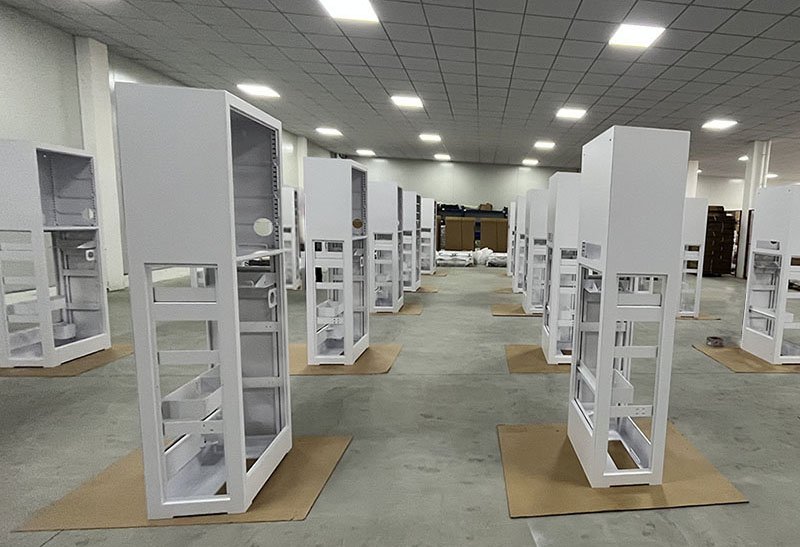
In the sheet metal processing industry, the company’s research and development process is typically divided into five stages:
Requirement Analysis: Communicate with customers to clarify product functions, dimensions, and performance requirements.
Structural Design: Utilize CAD/SolidWorks for 3D modeling to optimize manufacturability.
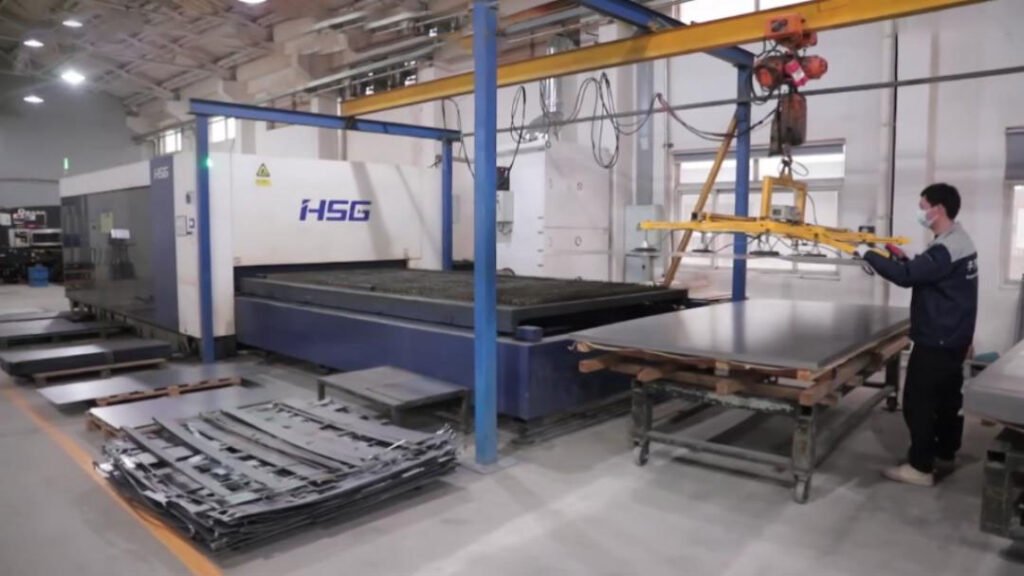
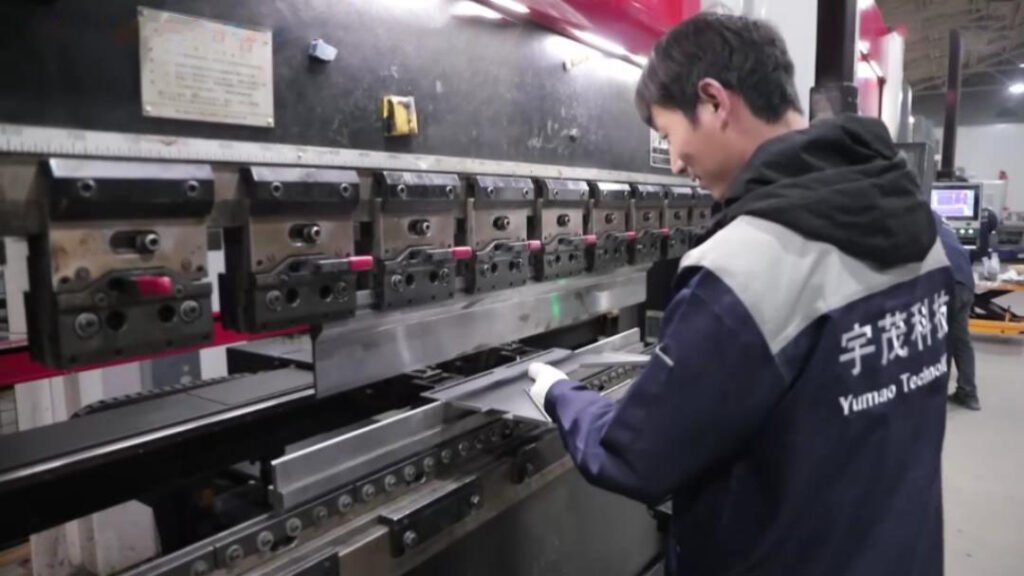
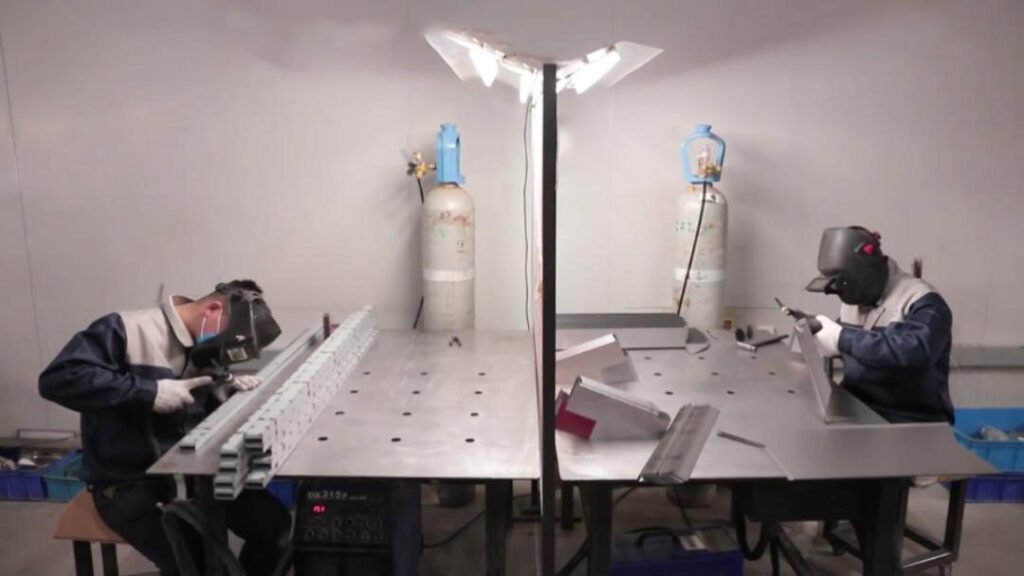
Process Development: Determine processing solutions based on our robust fabrication capabilities, such as cutting, bending, and welding, and design fixtures and molds.
Prototype Manufacturing: Conduct small-scale production and testing, and adjust process parameters.
Mass Production Optimization: Improve efficiency and yield, and ensure stable delivery.
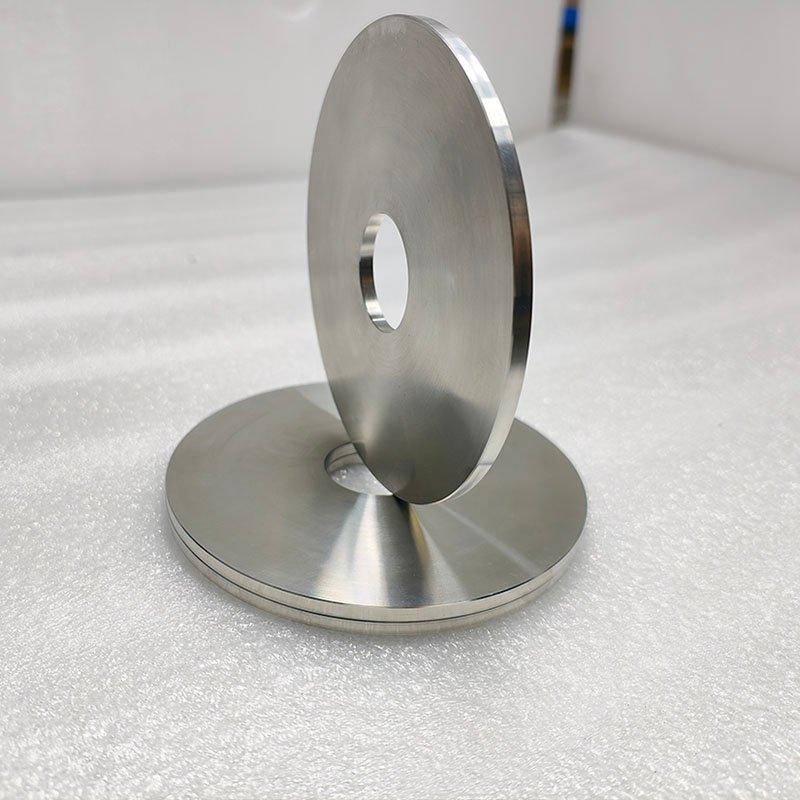
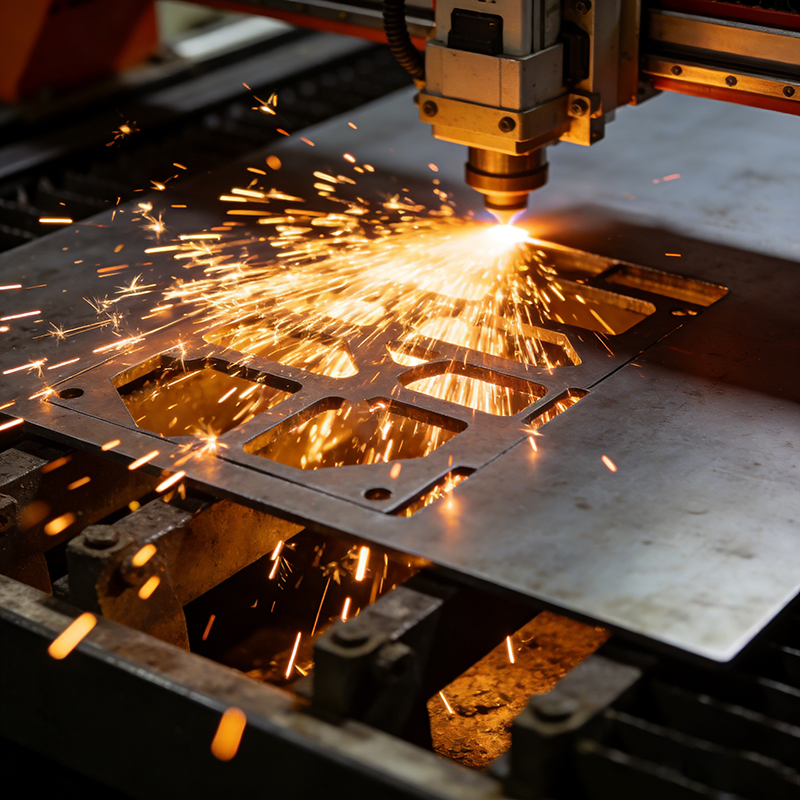
Using a high-precision laser beam to cut metal sheets, it offers fast speed, smooth edges, and extreme accuracy, enabling efficient processing of complex shapes.
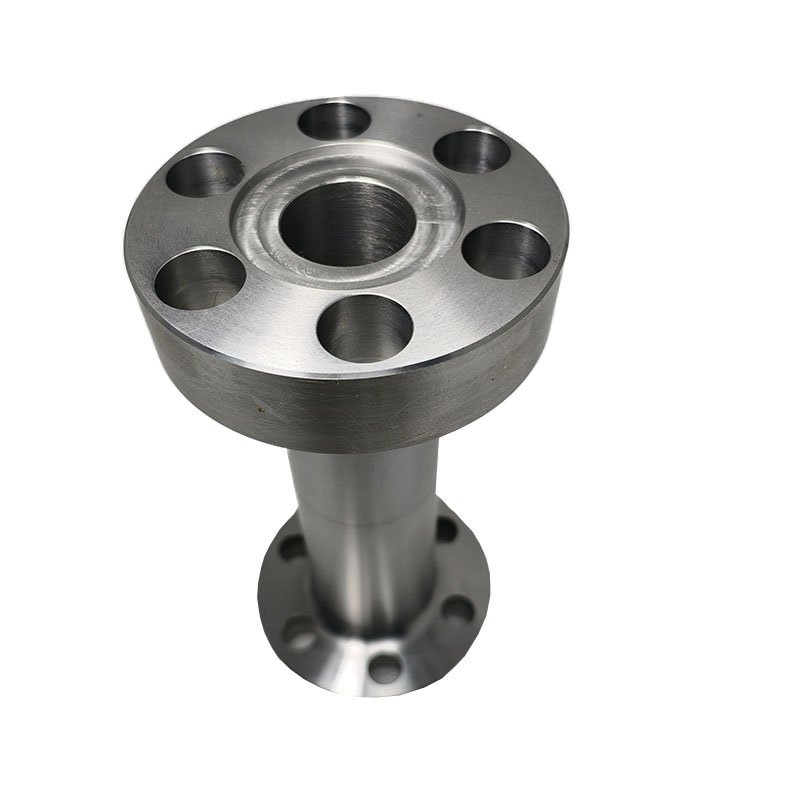
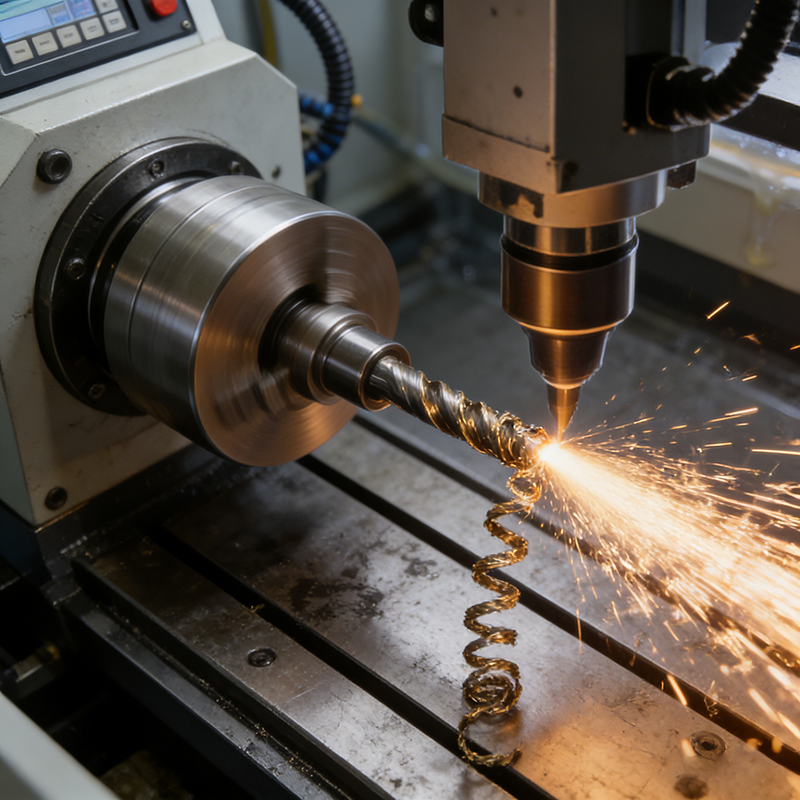
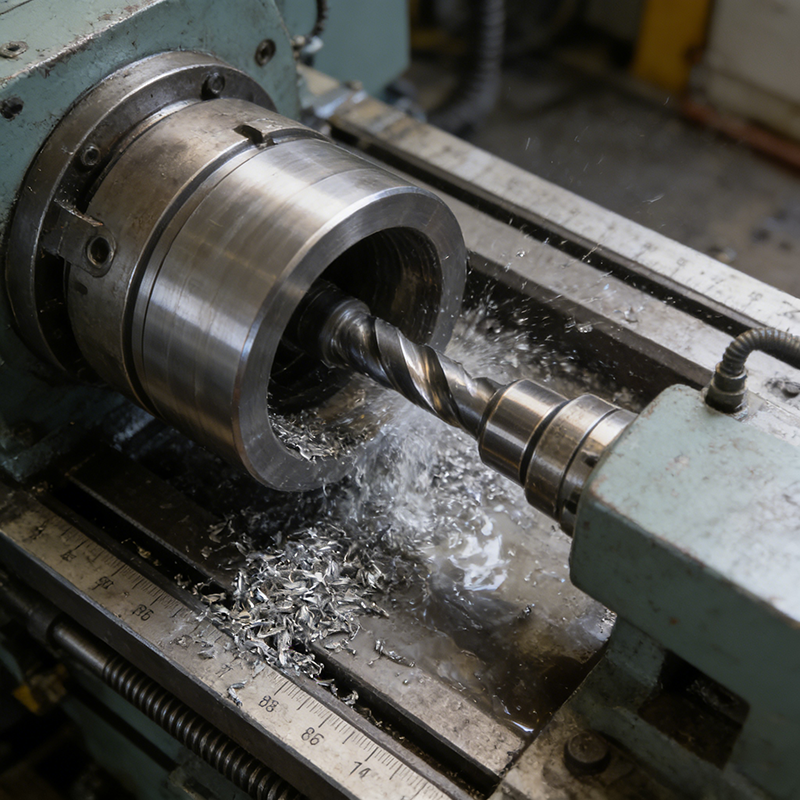
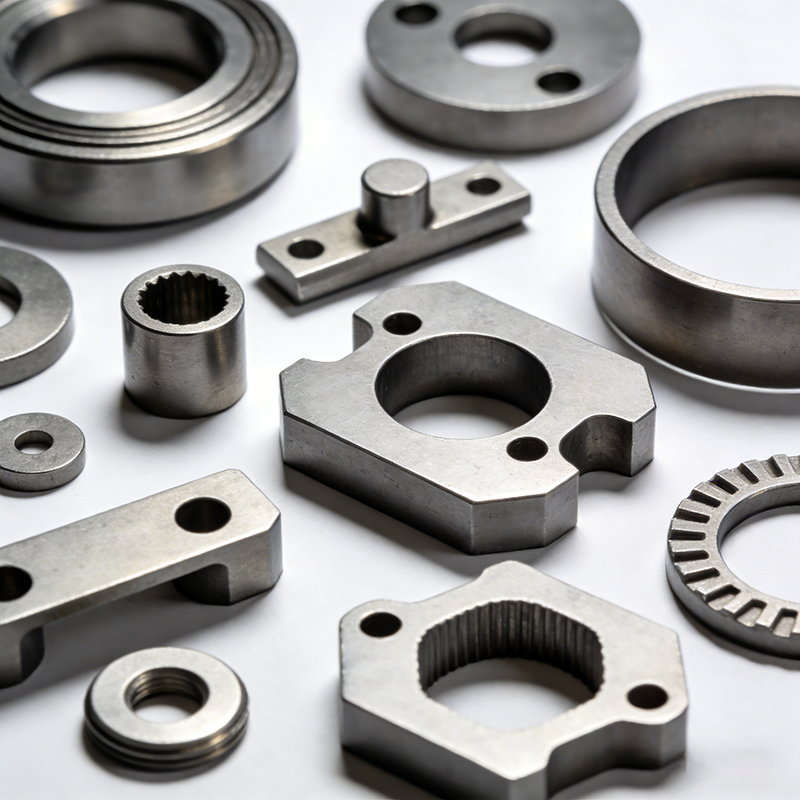
Turning is a machining process where material is removed by rotating the workpiece while a cutting tool moves linearly. It is primarily used to produce cylindrical or disk-shaped parts, such as shafts, flanges, and threads.
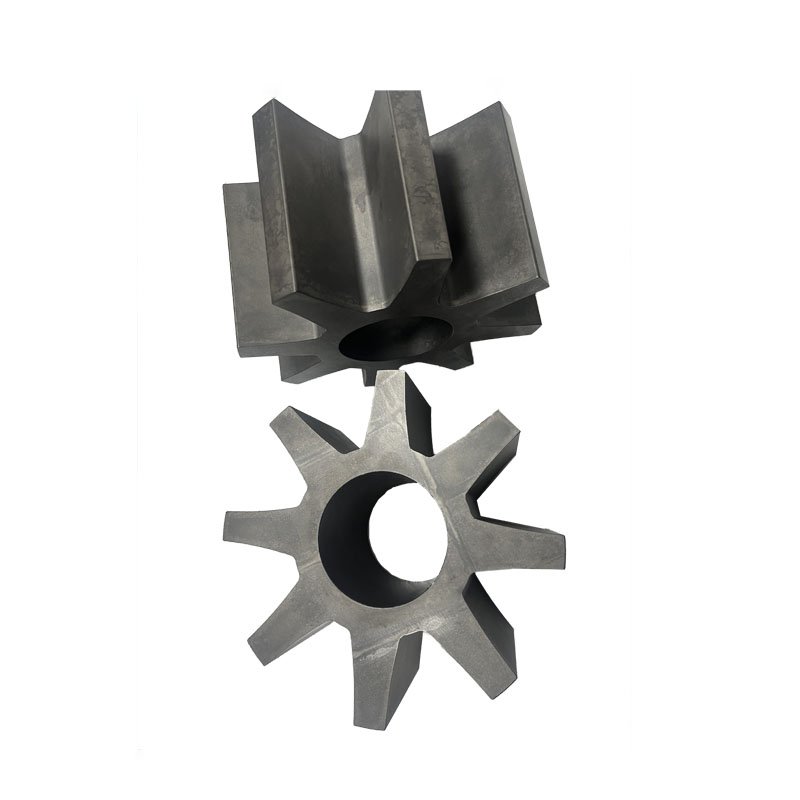
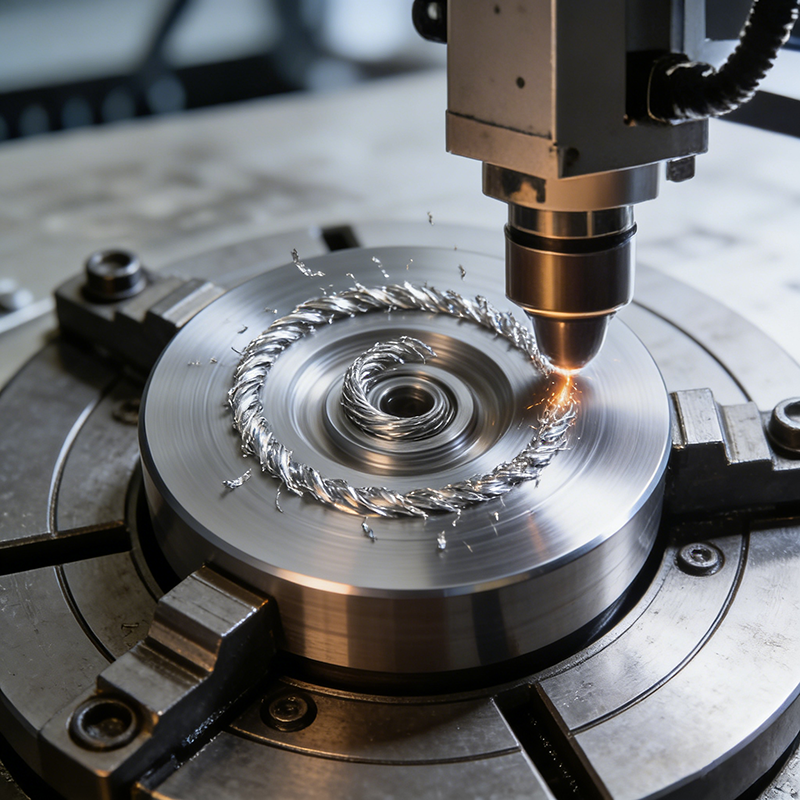
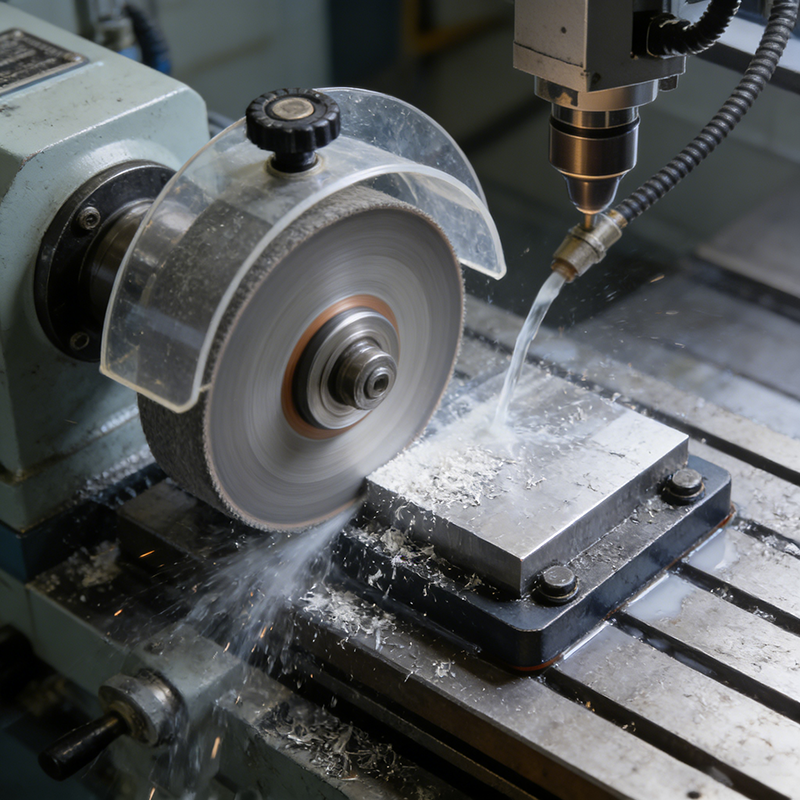
Milling is a machining process where material is removed by a rotating multi-point cutter while the workpiece remains stationary. It is suitable for producing flat surfaces, slots, gears, and complex 3D contours.
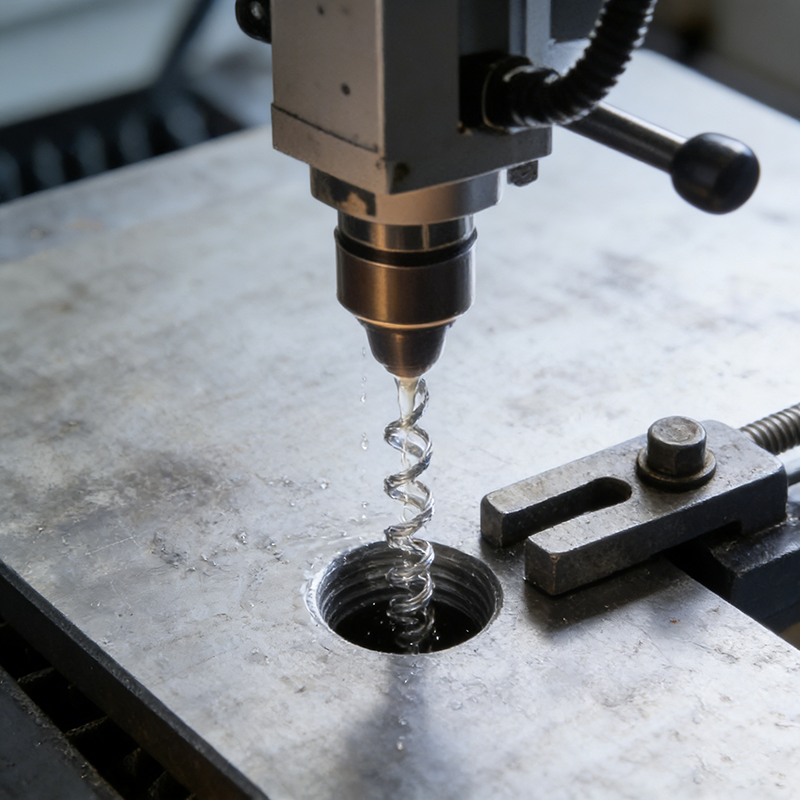
Drilling is a machining process that creates round holes in solid materials using a rotating cutting tool called a drill bit. It is the most fundamental and widely used method for hole making.
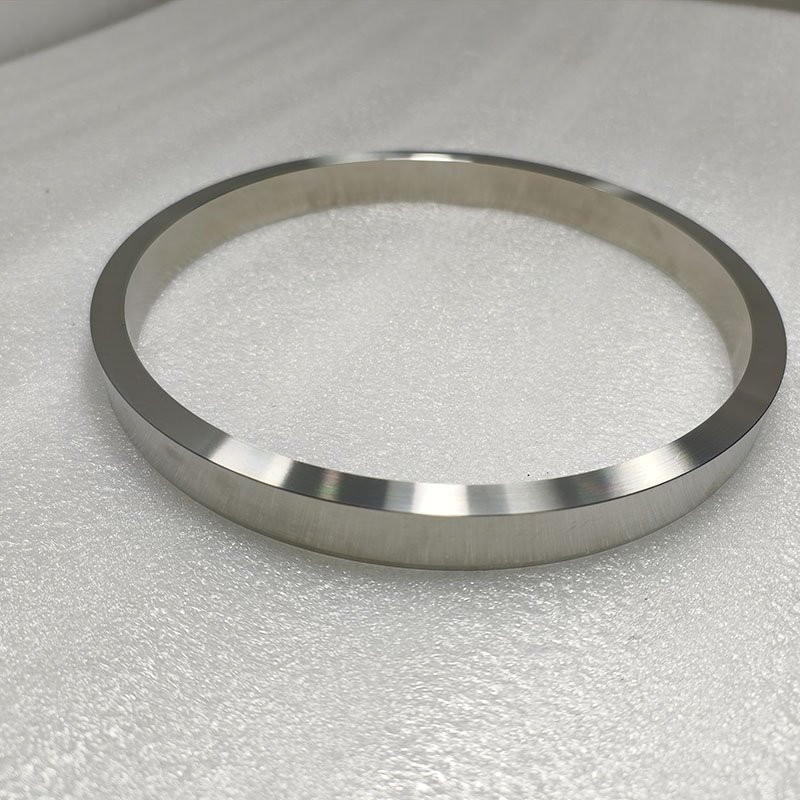
Boring is a machining process that enlarges and refines pre-existing holes to achieve higher dimensional accuracy, positional precision, and surface finish.
Main materials for sheet metal fabrication and metal CNC machining
We cover a wide range of major metals for 3D Printing, CNC machining, Casting and Sheet Metal Fabrication, with applications in multiple industries. This enanbles customers to achieve both one-off prototypes and end-use custom parts.
Aluminum
Low weight
Fast Building
High strength and hardness
Stainless Steel
Can apply to Food Processing
Easily machined into diverse shapes
Excellent strength, corrosion resistant
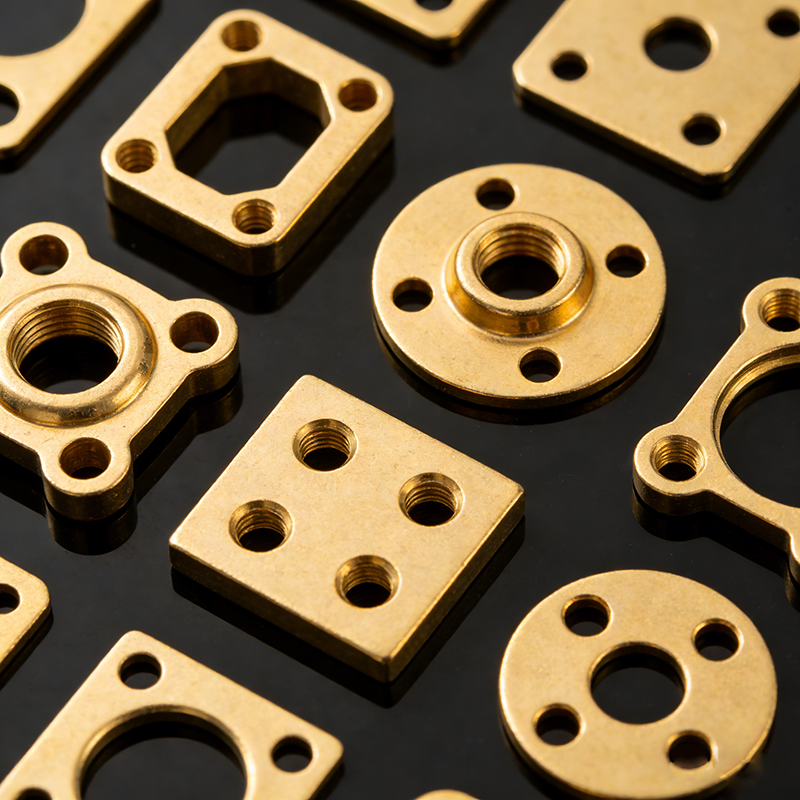
Copper Alloy
Strong alloy with corrosion resistance
Unlike iron, neither brass nor bronze rusts
Jewelry size to large sculptures
Titanium Alloy
Lightweight & Bio-compatible
Sports, Medical & Aerospace use
Excellent resistance to cavitation
Maraging Steel
Ideal Tool Steel for mold designs
Easily fabricated into gears & mandrels
High ductility, strength & wear resistance
why choose us
Questions You May Have
Q: What files do I need to provide for a quote or to start production?
A: For the most accurate quote and production, please provide your 2D drawings (PDF, DWG) or 3D models (STEP, IGS, SLDPRT). Please clearly indicate material, critical dimensions, tolerances, surface finish, and quantity on the drawings.
Q: Can you provide design services if I don't have drawings?
A: Yes, we have a professional engineering team that can provide DFM (Design for Manufacturability) analysis and full CAD design services based on your concepts, sketches, or samples to optimize the part and reduce costs.
Q: What metal materials do you typically work with?
A: We routinely process aluminum alloys (e.g., 6061, 7075), stainless steel (304, 316), carbon steel (Q235, 1045), brass, etc. We also work with special materials like titanium alloy and tool steel. Please inquire for details.
Q: How do I choose between sheet metal fabrication and CNC machining?
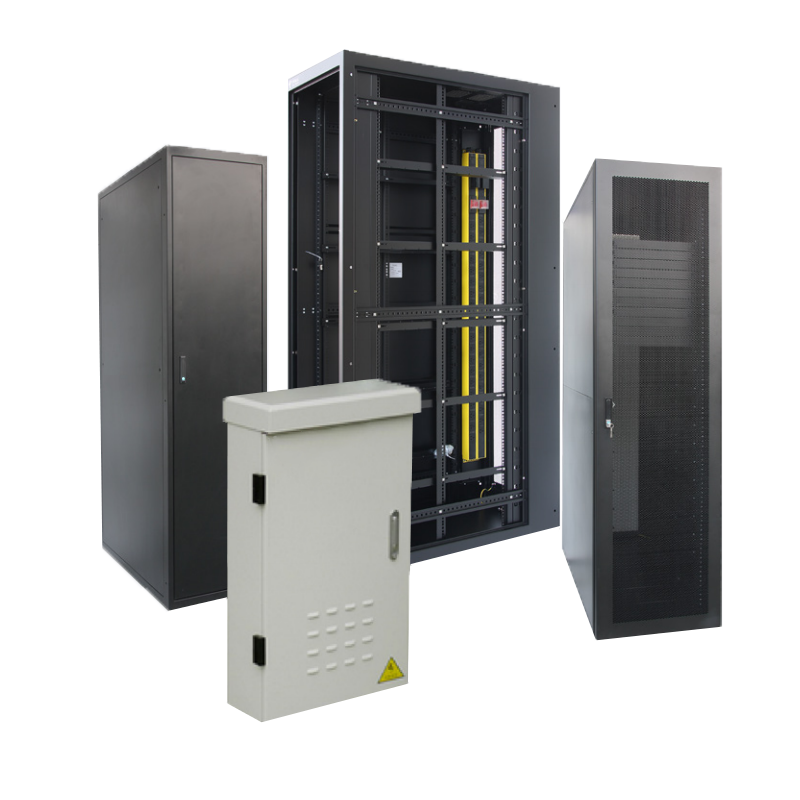
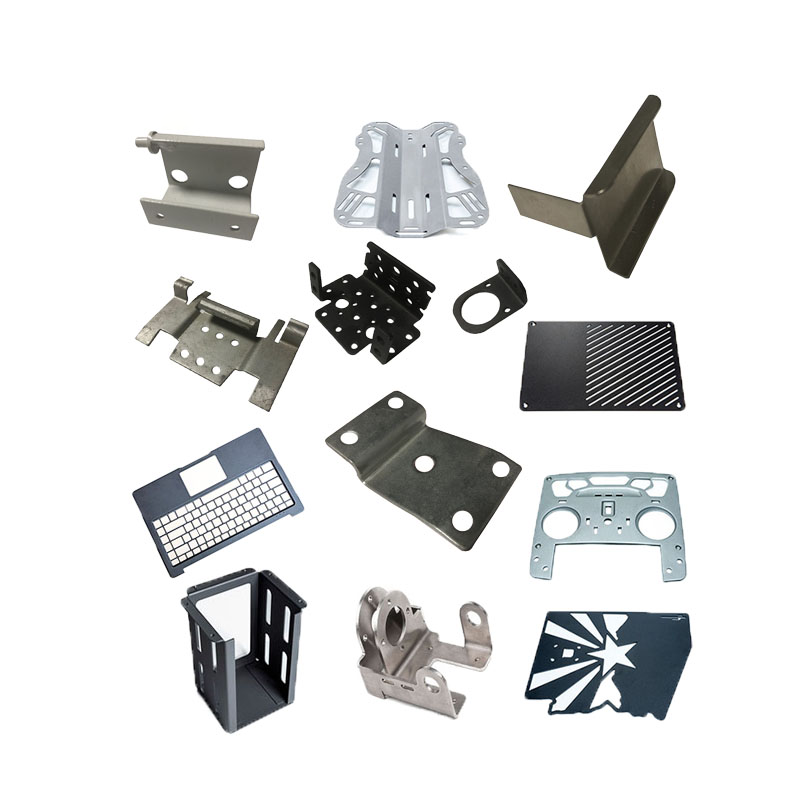
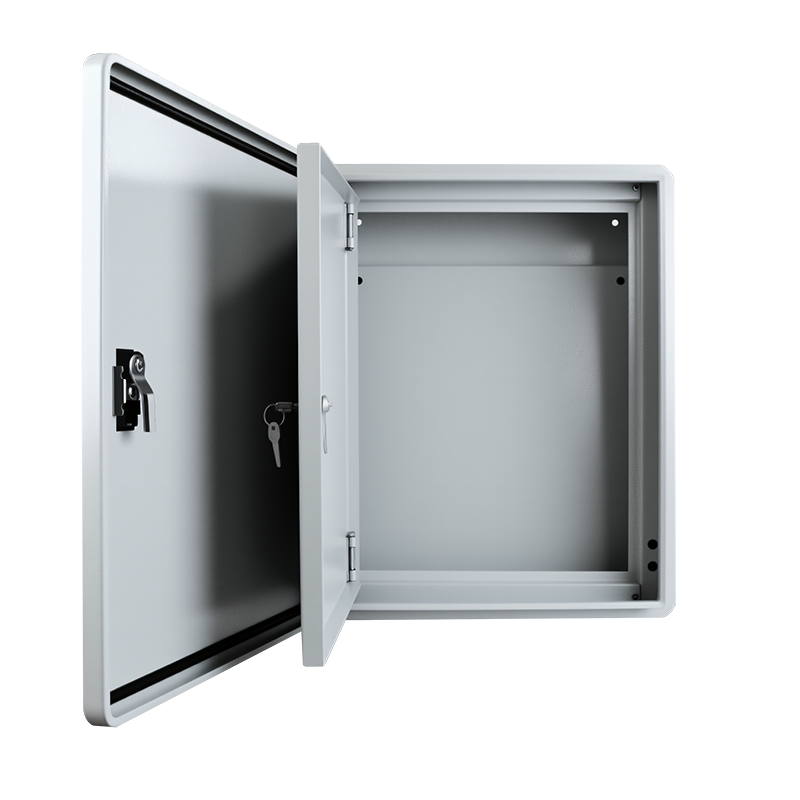
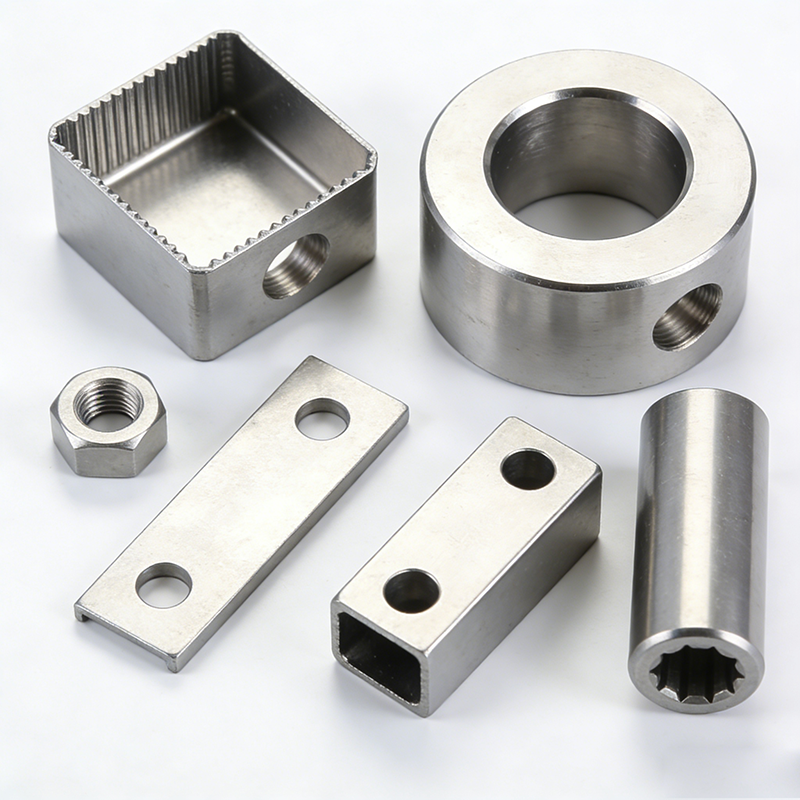
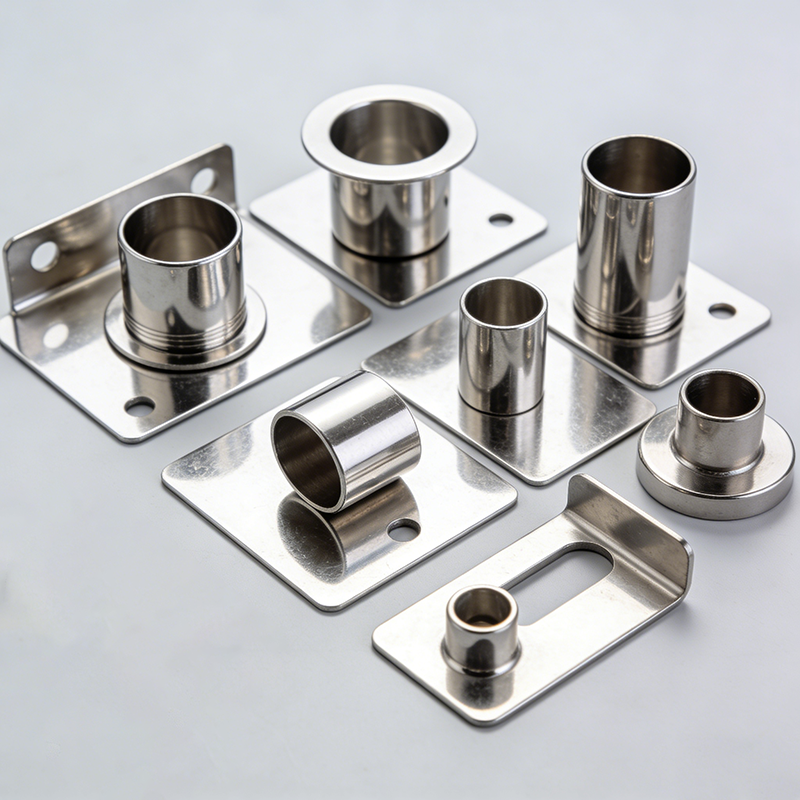
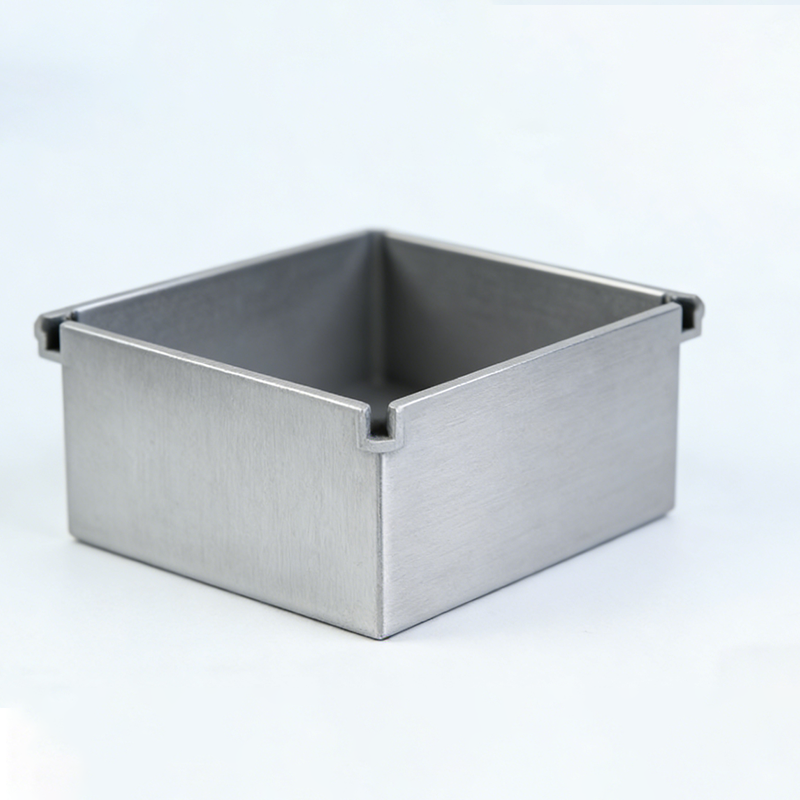
A:Sheet metal fabrication excels at thin-walled parts made from metal sheets, such as enclosures, cabinets, and brackets, suitable for stretching, bending, and stamping. CNC machining excels at parts with complex 3D shapes carved from solid blocks, offering higher precision and design freedom. We can recommend the best process based on your part requirements.
Q: What is the smallest tolerance you can achieve?
A: For precision CNC machining, we typically can hold dimensional tolerances from ±0.01mm to ±0.05mm. Sheet metal bending tolerances are usually within ±0.1mm to ±0.25mm. Specific tolerances depend on material, part size, and process. Please specify your requirements on the drawing.
Q: What surface finishing options do you offer?
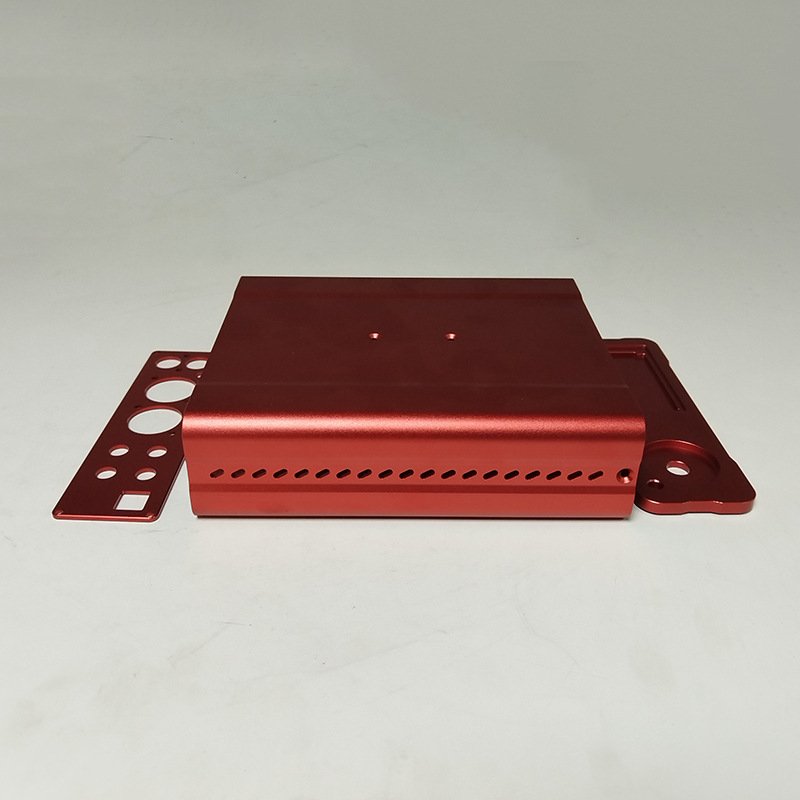
A: We offer various surface finishes, including: Painting (powder coating, spray painting), Anodizing (aluminum, various colors), Plating (zinc, nickel, chrome), Passivation (stainless steel), Brushing/Polishing, etc.
Q: Will my design and project information be kept confidential?
A: Absolutely. We take client IP very seriously. We can sign a Non-Disclosure Agreement (NDA) before project initiation. All your design files and information are stored securely, used solely to fulfill your order, and never disclosed to third parties.
Q: Do you ship internationally? What shipping methods are supported?
A: Yes, we regularly serve global customers. We arrange DHL, FedEx, UPS international express or sea/air freight based on your time and budget needs, and assist with customs clearance documents.
。
Q: How do you ensure production quality?
A: We implement strict quality control throughout the process: Incoming Quality Control (IQC), First Article Inspection (FAI), In-Process Quality Control (IPQC), and Final Quality Control (OQC). We are equipped with calipers, micrometers, CMM, etc., and can provide inspection reports.
Q: What is the Minimum Order Quantity (MOQ)?
A: For CNC machining and custom sheet metal parts, we support low-volume or even single-piece prototyping. For volume production, MOQ is negotiable based on part complexity and setup costs, usually with more competitive unit prices.
Q: How long does it take to get a quote?
A: For simple inquiries, we usually respond within 1 business day. For complex assemblies or new projects, it may take 1-3 business days for detailed evaluation and a formal quote with DFM suggestions.
Q: Do you offer assembly services after the parts are fabricated?
A: Yes, we provide one-stop services from fabrication to assembly. We can install PEM nuts/screws into your sheet metal parts, or assemble multiple CNC parts and purchased standard components into a complete unit with functional testing.
Turning transactions into business,customers into friends,pursuing warmer win-win cooperation.